
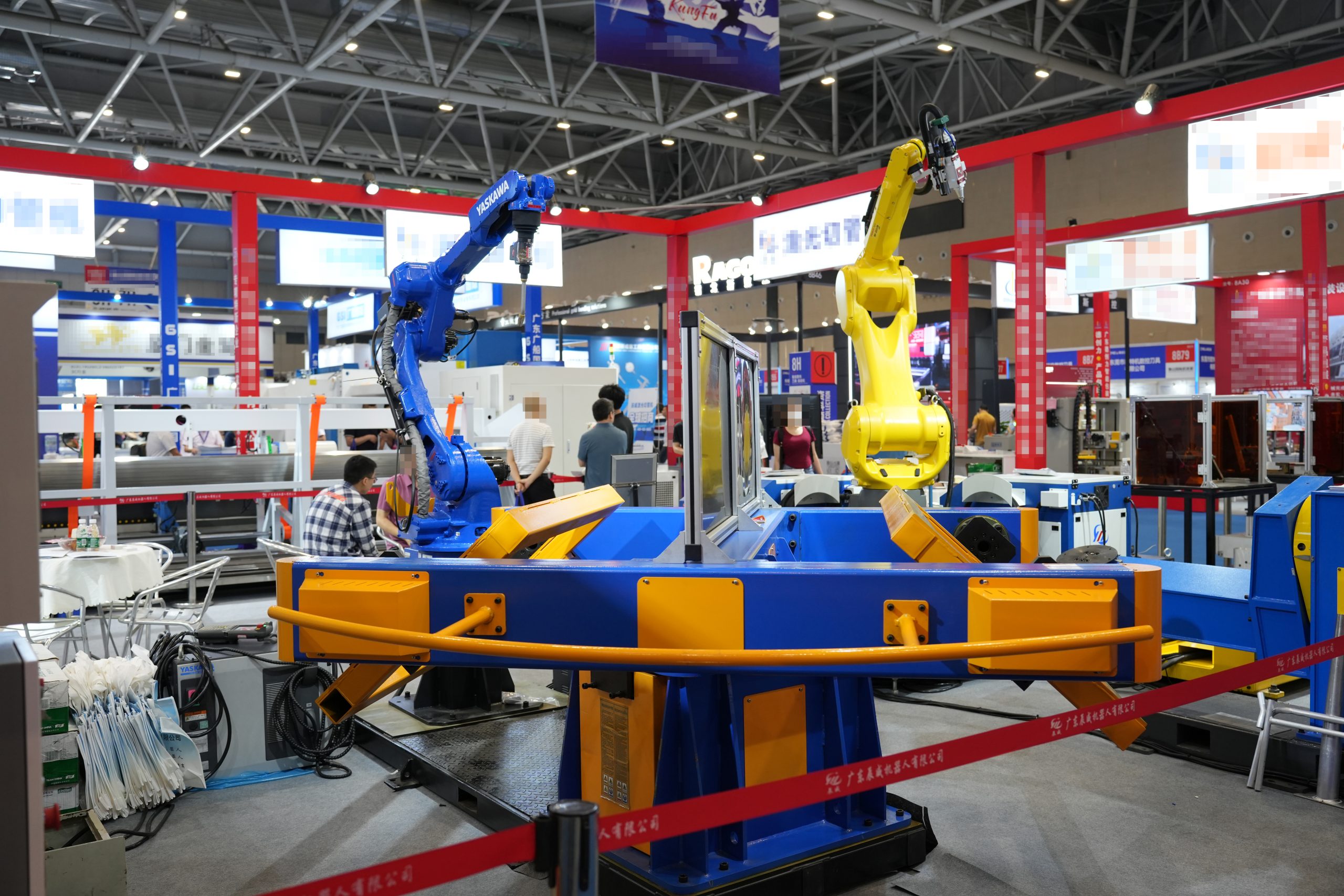
Introduction:
The incorporation of industrial robots into manufacturing workflows has fundamentally transformed industry operations, driving enhancements in efficiency, accuracy, and overall output. Nevertheless, this transition is not without its challenges. This article will examine some of the major obstacles faced by companies when integrating industrial robots into their operations.
- Upfront Investment:
A significant challenge in adopting industrial robots is the substantial initial investment required. Purchasing high-quality robotic systems, along with the necessary hardware and software, entails a large financial commitment. For smaller enterprises or those with limited budgets, this can be a significant barrier. However, it is important to recognize that while the initial expenditure can be high, the long-term benefits—such as boosted production rates and reduced labor costs—often make the investment worthwhile over time.
- Integration with Existing Systems:
Integrating robots into existing production lines and workflows can be a complex task. Many manufacturing facilities already operate with established systems, and incorporating robotic technology without disrupting ongoing operations demands meticulous planning. Issues related to compatibility between robotic systems and legacy machinery, as well as the need to upskill employees for new processes, contribute to this challenge. Businesses must allocate time and resources to careful coordination and work closely with automation experts to ensure smooth integration.
- Complexity of Programming:
Programming industrial robots to carry out specific tasks can be a daunting challenge due to the intricate nature of robotic languages and the high level of precision required. A shortage of skilled programmers who can ensure optimal robot performance and safety is a common issue for businesses seeking automation. To address this gap, simplifying programming interfaces and providing accessible training opportunities are key steps that can help businesses better deploy and maintain robotic systems with greater ease.
- Workplace Safety Concerns ⚠
Safety remains a critical priority in any industrial environment, and the integration of robots adds additional layers of complexity in ensuring a safe workspace. Collaborative robots (cobots), which are designed to work alongside human operators, introduce unique safety challenges. To prevent accidents, it is vital to install safety measures such as sensors, emergency stop mechanisms, and protective barriers. Additionally, comprehensive training for workers who interact with robots is essential to minimize the risk of injuries. Balancing the benefits of automation with robust safety standards continues to be an ongoing challenge in industrial robotics.
Conclusion:
While the implementation of industrial robots holds significant promise for enhancing operational efficiency and productivity, the process is not free from obstacles. Overcoming challenges related to high initial costs, integration with existing systems, programming complexities, and safety concerns requires careful planning and strategic effort. As technological advancements continue to emerge and industry standards evolve, these challenges will become more manageable, leading to a future where robots play an even more critical role in transforming the manufacturing landscape.
